
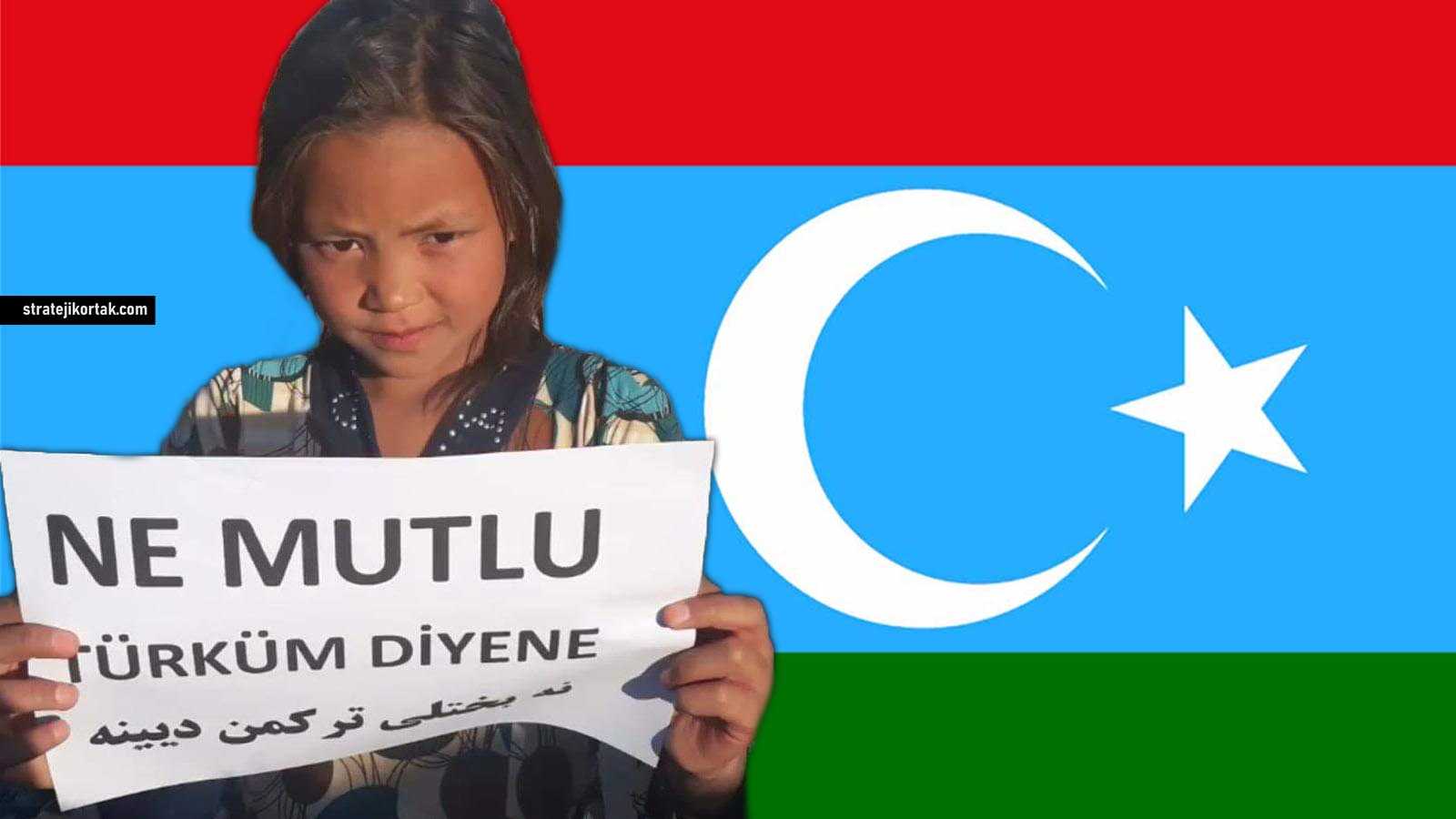
When we look at history and draw an imaginary bridge between the present and the past in our minds, the biggest factor that determines the limits of this thought is culture. If we look at these borders from the point of view of the history of a nation; It should be taken into account what that nation has carried from past to present, what it has contributed to civilization with its language, beliefs, unique characteristics and what it has done. At this point, when we look at the issue from the point of view of the Turkish nation to which we belong, we have shot out of the bow like an arrow since the day we appeared on the stage of history and spread to the pain. Due to their fondness for independence, the Turks are standing today as they were yesterday in every geography despite all kinds of attempts by their enemies. Today, one of the regions where Turks live intensely is South Turkestan, which is located within the borders of Afghanistan. South Turkestan seems to be a potential independent Turkish state in terms of the population of the Turks, the extent of the area where they live, which constitutes one third of Afghanistan, and with many factors that we will mention. As a matter of fact, if we look at the borders and neighbors of Afghanistan, an unnamed Turkish geography comes before our eyes.
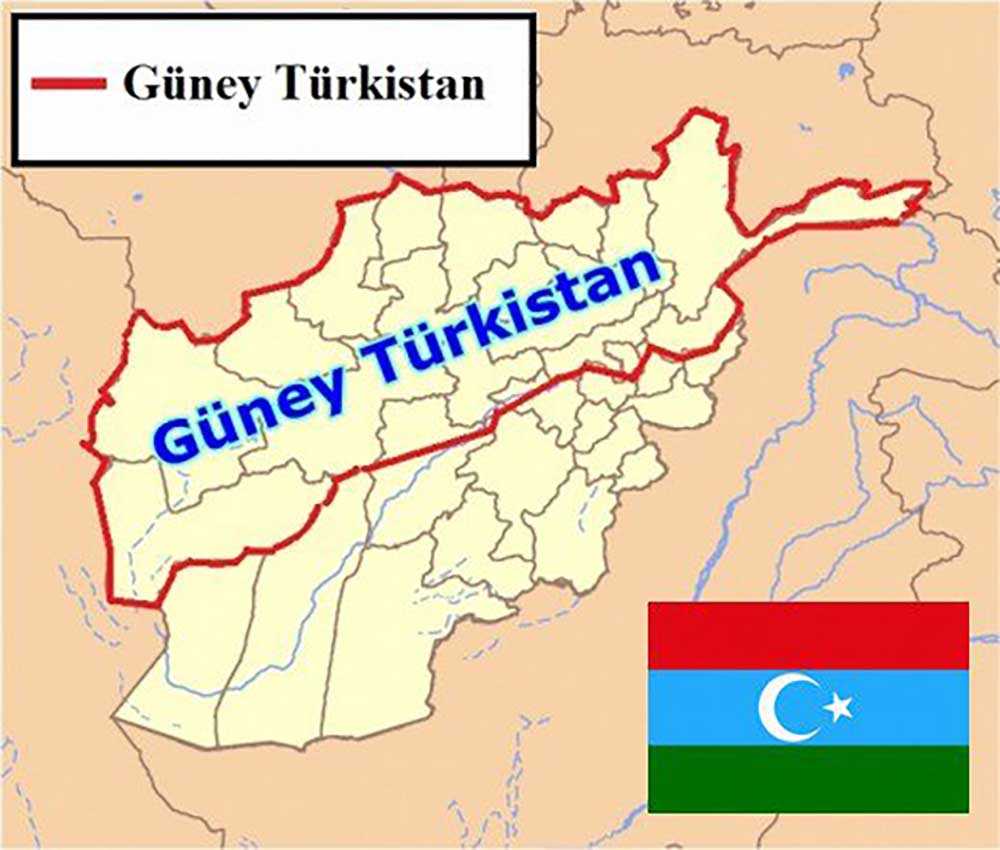
Afghanistan; It borders Pakistan to the east and south, Iran to the west, Turkmenistan, Uzbekistan and Tajikistan to the north, and East Turkestan (China) to the east with a small border. When we look at the north of Afghanistan, that is, in South Turkestan, in terms of size, different Turkic communities such as Uzbeks and Turkmens, and to a lesser extent Kyrgyz, live. The region has been under Turkish rule for centuries, and in many domestic and foreign sources, the north of the country; It is known as South Turkestan, Afghan Turkestan, South Turkestan, Afghan Turkestan. According to the last census (2013), the country’s population is approximately 40 million, while the Turkish population covers 12% of it. However, as in East Turkestan, Sekelistan and many Turkish homelands, Turks in South Turkistan are pushed into the background and indirectly excluded. As a matter of fact, most family members cannot obtain identity cards because they are subjected to negative discrimination by the state bureaucracy in terms of population. There is an average of 2 people in a family of 7. Therefore, the reality of the population rate, which is stated as 12%, is below the facts that are covered up. In places where Turks live densely, especially in rural areas, security forces are few and in this case, the people are faced with the Taliban. Civilians are either massacred or forced to migrate. This negatively affects life and also the population in South Turkestan.
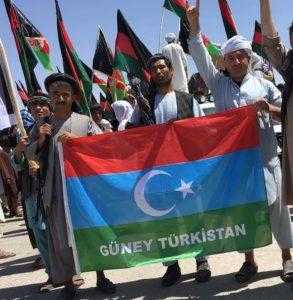
Afghanistan, and therefore South Turkestan, has been dealing with civil war and attacks by terrorist organizations such as the Taliban for years. However, what makes this situation even more severe is the pressure of the Turkish commanders, who are at the forefront of the fight against the Taliban, by the rulers. As a matter of fact, Nizamuddin Kaysari, who fought against the Taliban in the city of Feryap, where Turks live intensely, was arrested by the Afghan security forces without giving any reason. The people of South Turkestan reacted harshly to this situation. At this point, considering the Pashtuns of Persian origin, the most populous ethnic element of Afghanistan, the current President Pashtun nationalist Ashraf Ghani, and the administration’s policies close to the Taliban, the practices are not surprising. These approaches of the rulers disturb not only the Turks but also the Tajiks, who are the most populous elements of the region. It does not seem to be a coincidence that the Pashtun population has increased in the places vacated due to the pressure of the Taliban.
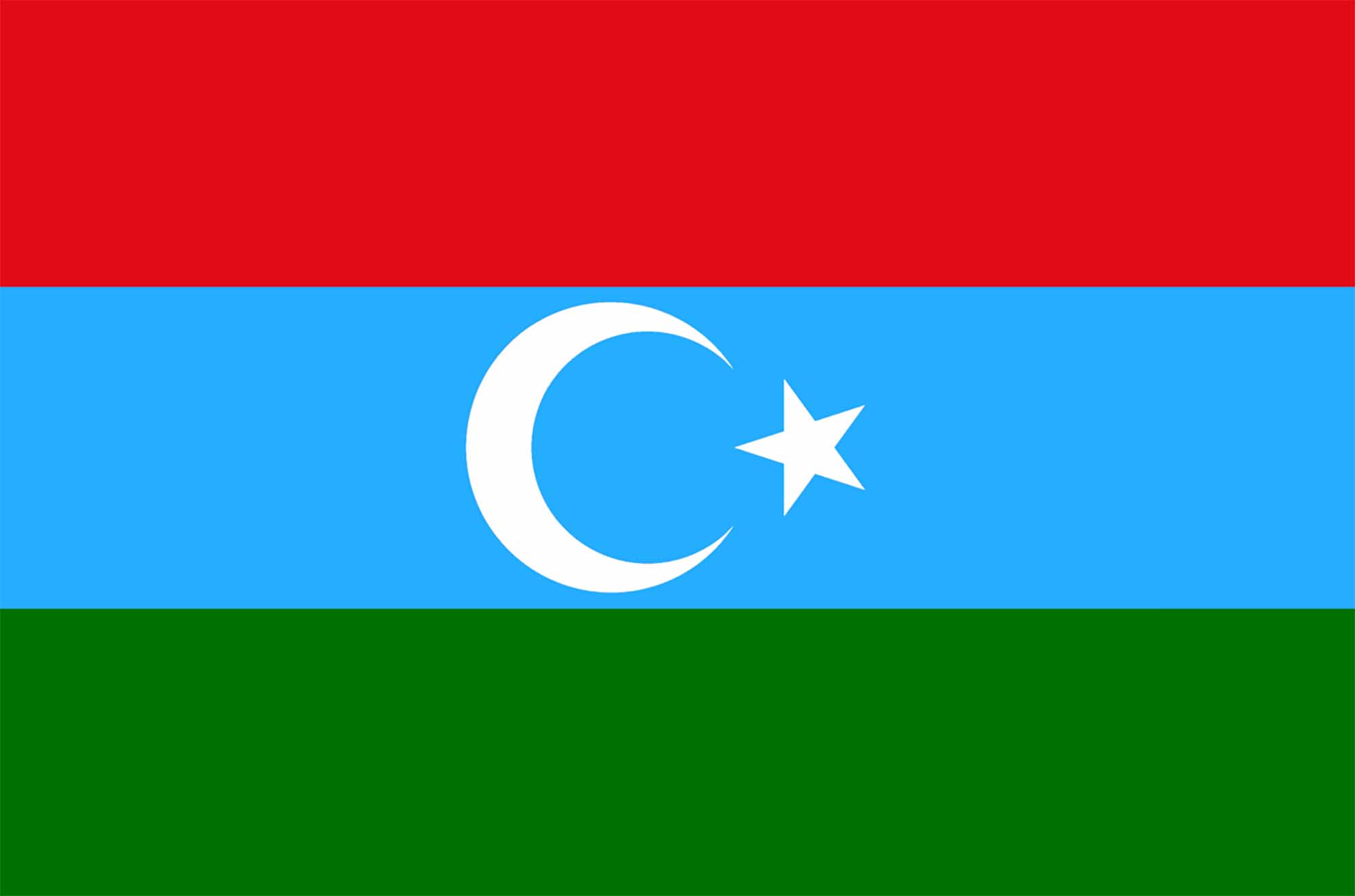
The terrorist incidents in South Turkistan and the administration’s exclusion of the region in terms of education, infrastructure and services have put the people of the region in a difficult situation. Unfortunately, the inadequacy of schools in all aspects, especially in terms of education, has negatively affected the Turkish people. Despite these conditions, Turks have preserved their existence in South Turkestan, protected their culture and especially their language, and succeeded in producing statesmen, poets and writers from their bosoms under difficult conditions. They, like Ali Shir Navai, who was born in Herat within the borders of today’s South Turkestan, which has been home to many Turkish states, keep the Turkish language alive. As a matter of fact, the famous Turkish poet and statesman Nevai explained in his most famous work, Muhakemetül Lügateyn, that Turkish is a richer language than Persian. The late Abdülmecit Turan, one of the recent poets and writers of South Turkestan, shed light on this age with his Turkish and thought in his poems. In his poem My Nation, published in 1999, Turan says:
A CLOUD DİD NOT GO FROM TURAN’S HEAD.
GOD DİD NOT LAUGH AT THE PEOPLE WHO WERE SO DAMNED. (GOD, WHAT THE HELL İS THİS, FOLKS DİDN’T LAUGH.)
OTHER PEOPLES WERE NOT VİGOROUS LİKE OTHER PEOPLES.
AGLAP ÖTÄR BOLDİ İYLİM MY PEOPLE. (I’VE BEEN CRYİNG, FOLKS.)
Turks are also fighting hard in politics in South Turkestan. One of those who fought these struggles was the leader of the Afghan Turks and former member of parliament, the late Abdulkerim Mahdum. Mahdum devoted his life to solving the problems of South Turkestan and the Turkish people. It ensured that education was given in Turkish language in schools. He ensured that two hours of broadcasting in Turkmen and Uzbek Turkish was broadcast on the Afghan National Radio. He founded the Erkin Turkistan Party to gather the people of South Turkistan under one roof. After the pressures, imprisonment and torture he experienced, he settled in Turkey in 1978 upon the will of his grandfather. Mahdum, who returned to his hometown of Cüzcan before his death, passed away in September 2019 last year and was buried there.
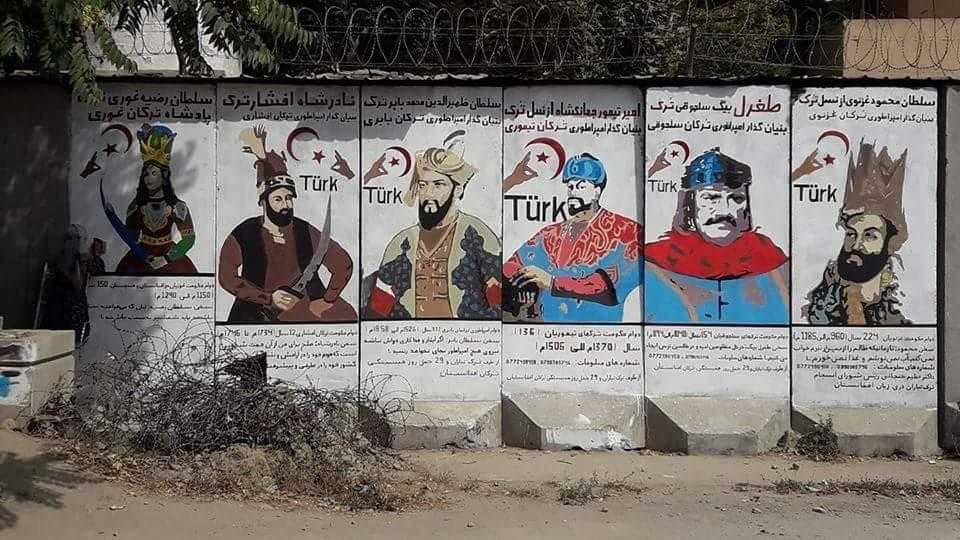
As long as the Turkic World preserves its language and culture and passes it on to generations wherever it is located, not only with its population but also as a Turkish nation, its existence will be eternal and greater. Today in South Turkestan; As long as the heart beating in Herat, Kandahar and Mazarisharif beats in Kashgar, Kirkuk, Ankara and even in the lands where many Turks live, the Turkic World will move forward. As M. Akif Ersoy said, “As long as the ball hits, the hearts cannot digest it.” South Turkestan is a pearl of the Turkic World. As a matter of fact, the founder of our state, the Great Leader Mustafa Kemal Atatürk, said, “Sirs! The Turkish state will help Afghanistan. In return for this help, you will see that one day we will witness the establishment of an independent Turkish state there.” He said. A Turkic World that walks with its ideals will go beyond dreams.

